






Your car may have a perfectly cut metal key, a fresh battery in the remote, and a working ignition - yet it still will not start. That is usually when drivers ask, what is an immobilizer key? It is a vehicle key with an electronic identity your car must recognize before it will allow the engine to run.
For most modern vehicles, starting the car is no longer just about turning a mechanical lock. Your key and vehicle communicate through a coded chip, helping prevent someone from starting the vehicle with an ordinary copied key or forced ignition. When that communication fails, the problem can feel urgent fast: you are locked out of your commute, school pickup, shift, or weekend plans.
What Is an Immobilizer Key?
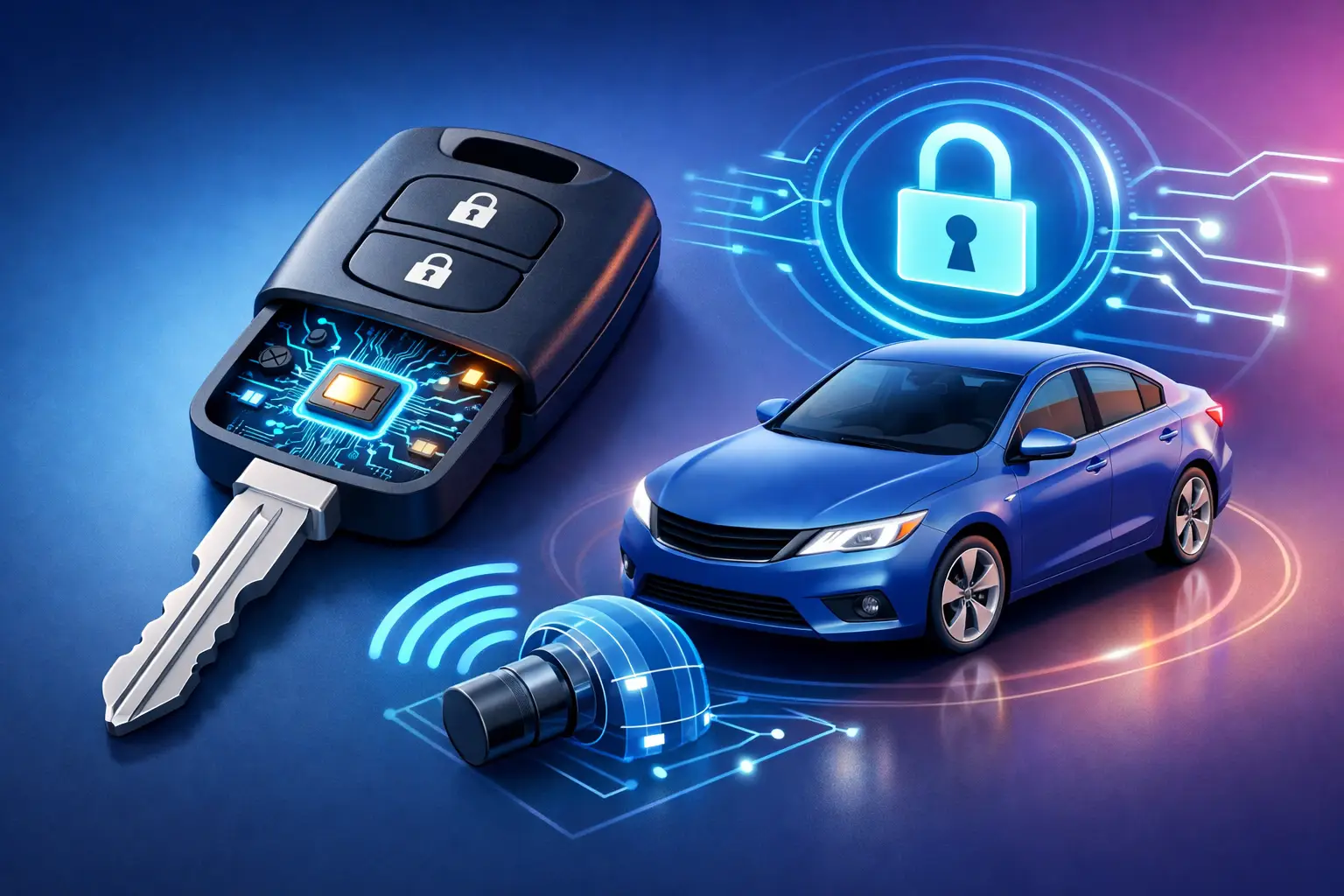
An immobilizer key is a key, key fob, or smart key that contains a transponder chip. The chip holds a unique electronic code that is registered to your vehicle's immobilizer system. When you place the key in the ignition, insert it into a key slot, or bring a smart key into the vehicle, the car checks that code.
If the code matches, the vehicle allows the engine to start. If it does not match - or if the system cannot read the chip - the engine may crank without starting, start and immediately shut off, or refuse to crank at all. The exact behavior depends on the make, model, and year.
The immobilizer itself is the security system inside the vehicle. The immobilizer key is the authorized electronic credential that tells that system, “this is the correct key.” That distinction matters when ordering a replacement. A blank key cut to match your door lock is not automatically an immobilizer key that can start your vehicle.
How an Immobilizer Key Works
Many traditional transponder keys work without a key battery. A small antenna around the ignition cylinder sends out a signal when the key is inserted. The transponder chip in the key responds with its programmed code, and the car's computer decides whether to authorize starting.
Smart keys use a similar security idea, but the communication is more advanced. The vehicle detects the fob nearby, confirms its encrypted credentials, and then permits push-button start. Depending on the vehicle, the remote functions, passive entry functions, and starting authorization may involve separate components within the same fob.
This is why a key can sometimes lock and unlock the doors but still fail to start the vehicle. The remote battery may power the buttons, while the transponder or smart-key authorization system has a separate issue. The reverse can happen too: a vehicle may start using an emergency method, but the remote buttons no longer work because of a weak battery, damaged circuit board, or worn-out fob shell.
Why Cars Use Immobilizer Keys
An immobilizer system makes theft harder because cutting a matching metal blade is not enough to start the vehicle. A thief would also need a correctly programmed chip or electronic key recognized by the car.
It is a practical layer of security, but it changes what is involved in replacing a key. Older vehicles could often use a basic hardware-store duplicate. Modern cars usually require three things: the correct key type, accurate mechanical cutting if there is a blade, and programming to register the key's chip or fob to the vehicle.
For Toyota and Lexus owners, key replacement can involve transponder technology, smart-key proximity functions, remote controls, and encrypted electronic systems. The right solution depends on the vehicle's year and configuration, not just the way the key looks from the outside.
Signs Your Immobilizer Key May Have a Problem
A damaged or unrecognized immobilizer key does not always announce itself clearly. One day the car works, and the next it will not start. Watch for an immobilizer or security warning light on the dashboard, especially one that stays illuminated or flashes differently than normal when you try to start the vehicle.
You may also notice that one key starts the vehicle while another does not. That points more strongly to a key-specific problem than an engine or battery issue. If the key has been dropped, exposed to water, cracked, run through a washer, or separated from its original fob housing, internal damage is possible.
A low vehicle battery can also create confusing symptoms. Smart-key systems need stable vehicle power to communicate correctly, so a weak battery should not be ruled out. Still, replacing batteries at random can waste time when the real issue is programming, a failed transponder, or a damaged key circuit board.
Can You Copy an Immobilizer Key?
Sometimes, but not with a simple mechanical copy. A working immobilizer key may be duplicated when the correct blank or fob is available and the vehicle supports adding another authorized key. The new key then needs to be cut and programmed so it can both operate the locks and pass the vehicle's security check.
The process is more complicated if every key is lost. In an all-keys-lost situation, there is no working key to copy, and the vehicle may need a more involved programming procedure. Depending on the vehicle, this can include accessing security information, generating or registering new keys, and possibly rekeying the vehicle so lost keys no longer provide access.
There is also a trade-off between buying the cheapest key online and getting a key that is ready to use. A low-cost shell may be useful if your original electronics still work and only the plastic case is broken. But a complete replacement key that is the wrong frequency, chip type, or part number can become an expensive delay. Before purchasing anything, confirm the exact year, make, model, and key style.
What to Do When Your Car Will Not Recognize the Key
Start with the basics. If you have a spare key, try it. If the spare starts the vehicle, protect it and avoid repeatedly forcing the failed key in the ignition or pressing buttons that do not respond. For a smart key, check the owner's manual for the emergency starting procedure. Many push-button vehicles have a backup detection point that can read a fob with a weak battery.
If you only have one key, do not assume the issue is just a dead fob battery. Changing the battery may restore remote functions, but it will not repair a broken transponder chip or correct a key that was never programmed. Avoid attempting random programming sequences found for another vehicle, too. Modern security systems are specific, and failed attempts can add confusion when you need a fast answer.
A qualified automotive key specialist can identify whether the problem is the key, vehicle battery, ignition reader, key slot, smart-key antenna, or programming. The fastest service call starts with clear details: your vehicle's make, model, year, location, whether any key still works, and what happens when you attempt to start it.
Replacement, Repair, or Rekeying: Which Do You Need?
If your existing key starts the car but has cracked buttons or a damaged outer case, a shell replacement or fob repair may be enough. When the electronics are intact, moving them into the correct new housing can be more affordable than replacing the entire key.
If the key is missing, the chip is damaged, or the car no longer recognizes it, a new programmed immobilizer key is usually the answer. If keys were stolen or you are concerned someone may still have one, rekeying and removing old keys from the vehicle's memory offers more peace of mind. The best option depends on the key's condition, the vehicle's security system, and whether you still have a working spare.
Do immobilizer keys need batteries?
Traditional transponder keys often do not need batteries for the engine authorization chip to work. Remote fobs and smart keys generally do need batteries for buttons and proximity functions. A weak battery can cause smart-key trouble, but it is not the only possible cause.
Will a metal key start a car with an immobilizer?
Not unless it contains the correct programmed transponder or electronic authorization. A blade may unlock the door or turn the ignition, but the immobilizer can still block the engine from starting.
Is an immobilizer key the same as a smart key?
Not always. A smart key is a keyless proximity fob, while an immobilizer key describes a key with electronic authorization to start the vehicle. Many smart keys are part of an immobilizer system, but some immobilizer keys look like standard ignition keys.
A working spare is one of the simplest ways to avoid an all-keys-lost emergency. If your only key is damaged, intermittent, or held together with tape, address it before it leaves you stranded. Smartkeys can help drivers identify the right replacement, cut and program it, and get back to using their vehicle with confidence.