





A working remote suddenly stops unlocking the doors after you add a new key. It is a frustrating surprise, especially when that remote belongs to a spouse, teen driver, or spare key you rely on. So, does key programming erase remotes? Sometimes, but not always. It depends on the vehicle, the type of key system, and the programming procedure used.
For many modern Toyota and Lexus vehicles, key programming involves communicating with the immobilizer and smart-key system, not simply pairing a button remote. A qualified automotive locksmith should know whether your vehicle requires adding one key, registering all available keys, or clearing lost keys from memory. That difference matters for both convenience and security.
Does Key Programming Erase Remotes on Every Car?
No. Programming a new key does not automatically erase every existing remote on every vehicle. Many vehicles allow a locksmith to add a new smart key, transponder key, or remote fob while keeping the keys already registered active.
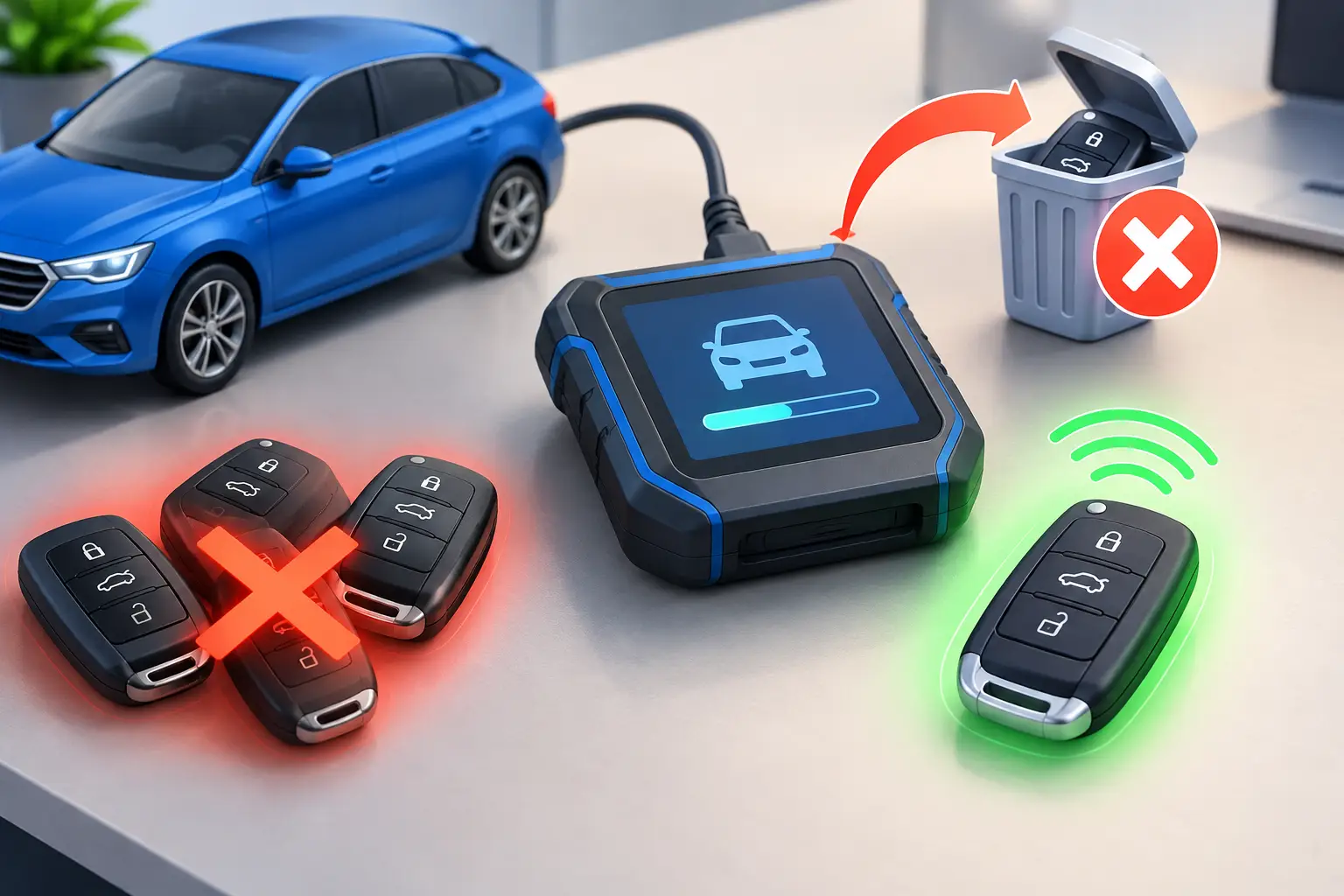
Other vehicles use a registration process that overwrites the key list or requires every working key to be present during programming. If a technician starts a full reset or an all-keys-lost procedure, the vehicle may remove previously stored keys and remotes from its memory. In that case, only the keys programmed back into the vehicle will work afterward.
This is why a simple question such as, “Can you make me one more key?” deserves a vehicle-specific answer. The right method for a 2012 Toyota may be different from the right method for a newer Lexus with a proximity smart key and push-button start.
Adding a key is different from clearing key memory
When you still have at least one working key, the usual goal is to add another authorized key without disturbing the ones you own. This is often called an add-key procedure. Your existing remote functions, transponder recognition, and smart-entry operation should remain in place when the vehicle supports that process.
Clearing memory is a different job. It is commonly used when every key has been lost, when a key was stolen, or when the customer wants to make sure an old remote can no longer start or access the vehicle. The technician removes stored credentials, then programs the keys that should remain authorized.
The terms can sound similar, but the results are not. Adding a key prioritizes convenience. Resetting key memory prioritizes security.
Why a Remote May Stop Working After Programming
A remote that quits after service is not always proof that programming erased it. There are several possibilities, and a good technician checks the basics before assuming the vehicle rejected the remote.
The remote battery may be weak. A failing coin battery can still work occasionally, then appear completely dead after the key is handled or moved. The remote may also have physical damage, worn button contacts, water exposure, or a cracked circuit board.
Compatibility is another issue. Replacement fobs must match the correct frequency, part number, board type, and vehicle configuration. A remote can look identical on the outside but fail to communicate properly with the vehicle. Used remotes add another complication because many smart keys and transponder keys cannot simply be moved from one vehicle to another without specialized preparation, if they can be reused at all.
Finally, some vehicles store remote and immobilizer functions separately. A fob might unlock the doors but fail to start the car, or it might start the car while its lock and unlock buttons need separate synchronization. Modern key systems are more than buttons and a metal blade. They combine radio communication, transponder authorization, immobilizer security, and sometimes proximity detection.
When Erasing Old Remotes Is the Right Move
There are situations where removing old keys is not only reasonable but recommended. If your key was stolen, dropped with identifying information, or lost near your home or workplace, leaving it active creates an avoidable risk. The person who finds it may be able to unlock or start your vehicle later.
For a lost smart key, replacing the physical emergency key alone is not enough. The electronic credential stored in the vehicle must be addressed. Depending on the vehicle, that can mean deleting the lost key from the authorized list, resetting the system, or rekeying the mechanical locks if security concerns are higher.
An all-keys-lost situation also often requires a more involved process. The locksmith may need to gain entry without damage, cut an emergency key, access the vehicle’s immobilizer system, and register new electronic keys. Because there are no working keys available to copy or verify, this procedure can be different from standard duplication. It may erase old remotes as part of restoring secure access.
If the old key is safely at home and still belongs to an authorized driver, there is usually no reason to erase it just because you are adding a spare. Tell the technician exactly how many keys you have and which ones you want to continue using.
What to Ask Before Your Key Is Programmed
You do not need to understand immobilizer software to protect your access. Before programming begins, ask whether the service is an add-key procedure or a reset procedure. Ask whether every currently working key and remote will remain active when the job is complete.
If the answer is that all keys must be present, gather them before the appointment. Leaving a spare remote in a drawer at home can turn a routine job into a second visit, or it can leave that remote inactive if the vehicle requires all keys to be registered again.
It also helps to be clear about your security goal. If a key is missing but you believe it is somewhere inside your house, you may choose to add a spare and leave the missing key active until you find it. If it was lost in public, stolen, or handed to someone who should no longer have access, ask to have it removed from the system.
A professional should explain the trade-off in plain language. Clearing old keys can protect your vehicle, but it may also require programming every key you still intend to use. Adding a key is often faster and less disruptive, but it does not prevent an already-authorized lost key from working.
Protecting Toyota and Lexus Smart-Key Access
Toyota and Lexus owners often deal with advanced smart keys that control entry, push-button start, panic functions, and an emergency mechanical key. These systems are convenient, but they require the right equipment and experience when a key is damaged, lost, or duplicated.
Avoid assuming an online fob will work just because its shell looks right. The replacement must be correct for your vehicle, then cut and programmed properly. A low-cost remote that cannot be registered is not a bargain when you still cannot drive.
For routine spare keys, keep one working key available and test every function before the technician leaves. Confirm lock, unlock, panic, proximity entry if equipped, remote start if equipped, and vehicle start authorization. If you have multiple drivers, test each key. This takes only a few minutes and prevents surprises when someone needs the car later.
Smartkeys can help drivers identify the right replacement key and programming approach for their Toyota or Lexus, including situations where every working key is gone. The goal is not just to make a new fob work. It is to make sure the keys you trust stay active and the keys you do not trust are removed.
The Bottom Line Before You Schedule Service
Key programming can erase remotes, but it is not the default result of every key replacement. It usually happens when a vehicle requires a full registration process or when old keys are intentionally cleared for security. The best outcome comes from matching the procedure to your situation instead of treating every key job the same.
Before service begins, say whether you are adding a spare, replacing a damaged key, dealing with a stolen remote, or starting from no working keys at all. That one conversation helps protect your vehicle, your existing remotes, and your ability to get back on the road without delay.