






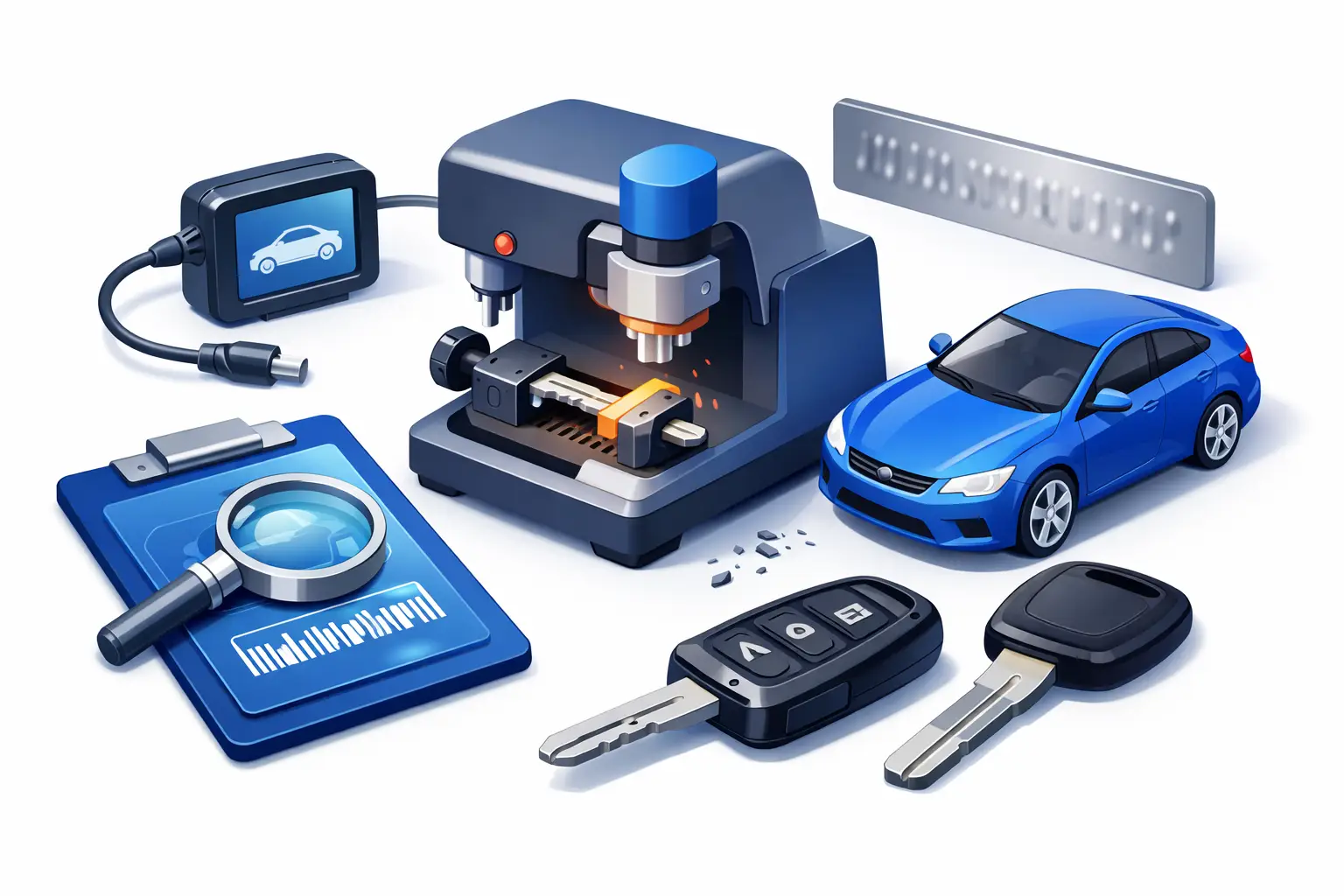
Your only car key is gone, the spare is nowhere to be found, and your vehicle is sitting in a parking lot. The first question many drivers ask is: can locksmith make key from VIN? Often, yes - but the VIN is not a universal shortcut to a ready-to-drive replacement key. It can help a qualified automotive locksmith identify the vehicle and, for some models, obtain the information needed to cut a mechanical key. Modern vehicles still require the right key type, electronics, and programming.
For Toyota, Lexus, and other late-model vehicles, a replacement is usually a two-part job: getting a key or emergency blade cut correctly, then pairing the transponder, remote, or smart key to the vehicle’s immobilizer system. A mobile automotive locksmith can handle both steps at your location when the vehicle and key system support it.
Can a Locksmith Make a Key From a VIN?
A VIN, or vehicle identification number, identifies your specific vehicle’s make, model, year, production details, and sometimes the key code path used by authorized key professionals. It does not physically contain a complete key pattern that anyone can read with a phone or type into a key machine.
When a locksmith says they can make a key from the VIN, they usually mean they can use the VIN along with legitimate locksmith databases, manufacturer information, or other authorized records to locate the mechanical key code. That code lets them cut a new metal key or emergency insert to the original factory pattern.
Whether this is possible depends on the vehicle. Some older vehicles have straightforward mechanical key systems. Many newer cars use high-security laser-cut keys, transponder chips, push-button smart keys, or encrypted proximity systems. The VIN may help start the process, but it does not replace diagnostic equipment, programming tools, and trained electronic-key service.
A professional will also need to verify ownership. That protects you, your vehicle, and everyone else on the road.
What You Need Before a VIN-Based Key Replacement
Have your driver’s license, vehicle registration, title, insurance information, or other proof tying you to the vehicle available before requesting service. Requirements can vary by state, situation, and locksmith policy, but a reputable automotive locksmith will not create a working key without reasonable authorization.
The VIN is commonly visible through the windshield on the driver’s side dashboard. It may also appear on registration and insurance documents. If the vehicle is locked and you cannot safely confirm the VIN, a locksmith can often help locate it through your paperwork or verify it on the vehicle once access is restored.
It also helps to provide the make, model, year, trim if known, and your current location. A 2012 Toyota with a traditional transponder key needs a different solution from a 2024 Lexus with a proximity smart key. Accurate details help the technician arrive with the correct key inventory and equipment instead of turning a fast service call into a second visit.
A Cut Key Is Not Always a Working Car Key
This is the part that catches many drivers off guard. A newly cut key may turn the door lock or fit the ignition, yet still fail to start the engine. That is normal for vehicles equipped with an immobilizer.
An immobilizer checks for a recognized transponder chip or smart key signal before allowing the engine to start. The metal blade provides physical access, while the electronic portion proves that the key is authorized. If either part is missing or incorrect, the vehicle may remain immobilized.
For remote-head keys and smart keys, the buttons and proximity functions may need separate programming as well. A replacement can require cutting an emergency key blade, programming a transponder or smart key, testing remote functions, and confirming the vehicle starts normally. The exact process depends on the year and security system.
This is why a cheap blank key purchased online is not always the lowest-cost solution. It may be the wrong frequency, have an incompatible chip, lack the proper board, or be impossible to program for your vehicle. A good locksmith can tell you whether a customer-supplied key is usable before investing time in the job.
When VIN Information May Not Be Enough
There are situations where a VIN lookup cannot provide everything needed for replacement. Vehicle manufacturers may limit access to key codes. Certain models have code information that is unavailable, incomplete, or restricted. Previous lock repairs, ignition replacements, or aftermarket modifications can also mean the current lock does not match the original factory key code.
If the ignition or door lock was changed in the past, a VIN-derived key may be cut to the original configuration and not operate the replacement lock. In that case, the locksmith may need to decode a working lock, remove and read a lock cylinder, or recommend rekeying components so one new key works consistently.
All-keys-lost situations add another layer. With no working key available, some vehicles require security access procedures before a new transponder or smart key can be registered. Late-model systems may use encrypted credentials and require specialized tools. This is where automotive key experience matters far more than basic key cutting.
VIN Key Replacement vs. Going to the Dealership
A dealership can be a valid option, especially for very new models or cases involving manufacturer-only security procedures. However, the process may involve towing the vehicle, scheduling an appointment, waiting for a key to be ordered, and paying dealership labor rates.
A qualified mobile automotive locksmith can often come to the vehicle, cut the key, program the electronics, and test the result on-site. That can save time when you are stranded at home, work, a store, or a parking structure. It also gives you a clear answer before you arrange a tow.
The right choice depends on your vehicle, the type of key, local availability, and the condition of the locks and immobilizer. Ask whether the quote includes the key, cutting, programming, remote setup, and service call. A low initial price is not useful if it excludes the steps required to drive away.
How to Get a Replacement Key Faster
When you call or text for help, send clear photos of your existing key if you still have a damaged one, plus the vehicle’s make, model, year, and VIN. Let the locksmith know whether you have any working keys. Mention what happened: lost key, broken shell, intermittent smart key, no-start condition, or a key locked inside the vehicle.
If you have lost every key, avoid repeatedly trying random aftermarket remotes or forcing the ignition. That can waste time and, in some cases, create a separate lock or electrical issue. Keep the vehicle parked safely, gather your proof of ownership, and use a specialist who works with transponder and smart-key systems.
For Lexus and Toyota owners, Smartkeys can assess the vehicle’s key system, bring the correct replacement option, and handle cutting and programming where supported. The goal is not simply to hand you a key-shaped object. It is to restore secure, dependable access and get your vehicle running again.
Do Not Wait Until the Last Working Key Fails
If your remaining key has a cracked case, weak buttons, a loose emergency blade, or unreliable detection, make a spare before it becomes an emergency. Duplicating a working key is generally simpler than starting from zero, and it gives the technician a known-good reference for testing.
Save your VIN and current key details with your vehicle records, but do not post the VIN alongside your address or other sensitive personal information. When you need help, provide it directly to a verified automotive key professional with proof that the vehicle is yours. A few minutes of preparation can turn a stressful lost-key moment into a quick, secure repair.